Showing 49–96 of 405 resultsSorted by popularity


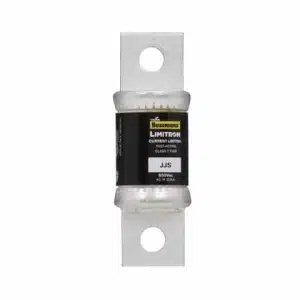
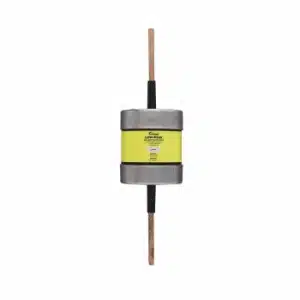
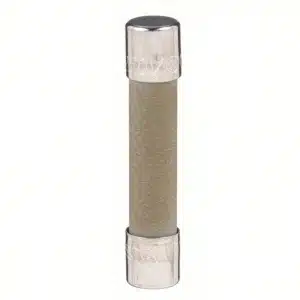
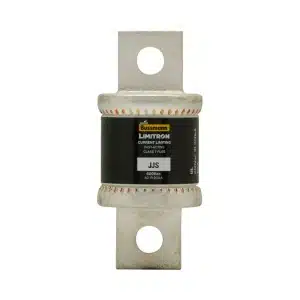
BUSS JJS-125 600V CLASS T FUSE

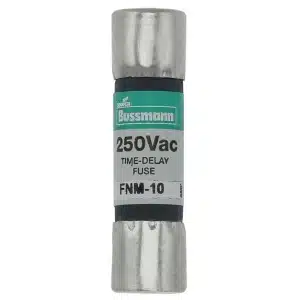
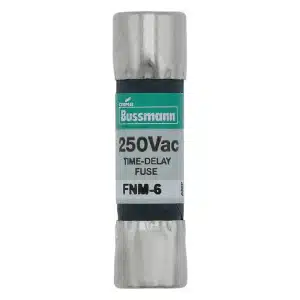
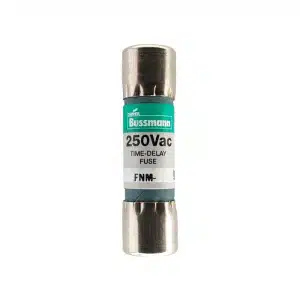
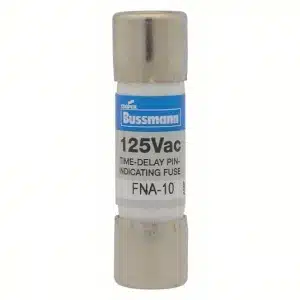
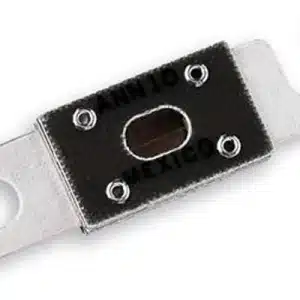
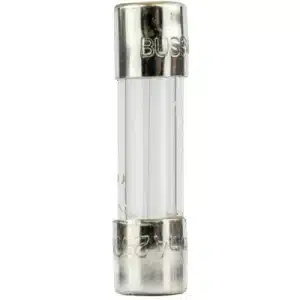
BUSS FNM-10 250V MIDGET TD FUSE


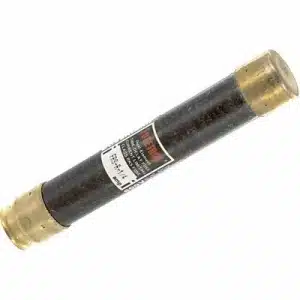
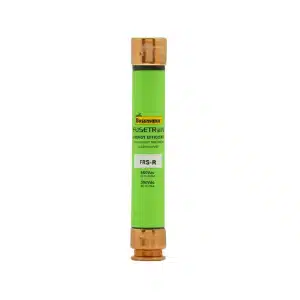
BUSS FRS-R-1/4 600V RK5 TD FUSE


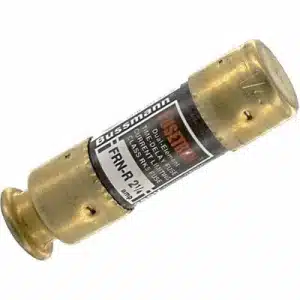
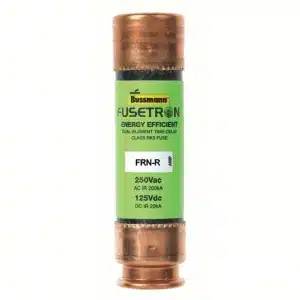
BUSS FRN-R-2-1/4 250V RK5 TD FUSE

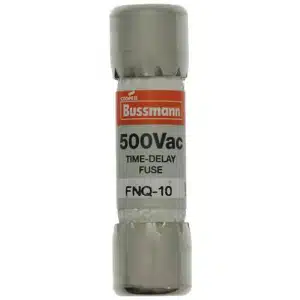
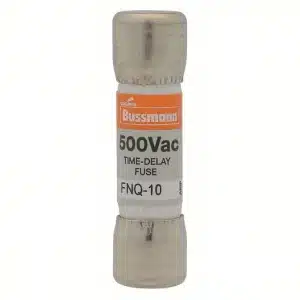
BUSS FNQ-6-1/4 500V MIDGET TD FUSE

BUSS FRN-R-1-1/8 250V RK5 TD FUSE


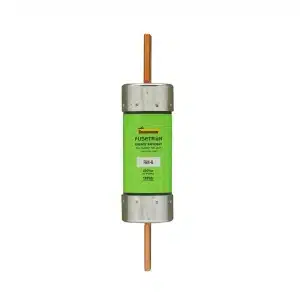
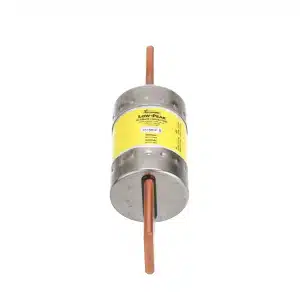
BUSS LPS-RK-60SP 600V RK1 TD FUSE


BUSS FRS-R-8/10 600V RK5 TD FUSE

BUSS LPS-RK-90SP 600V RK1 TD FUSE


BUSS LPN-RK-600SP 250V RK1 TD FUSE

BUSS FRN-R-1/10 250V RK5 TD FUSE

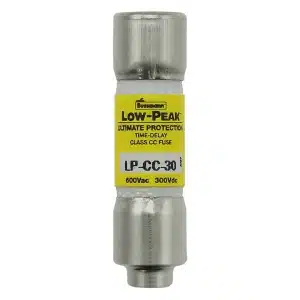
BUSS LP-CC-1-4/10 LW-PEAK CC TD FUS

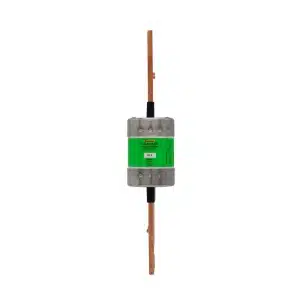
BUSS KRP-C-1400SP 600V CLS L TD FUS

BUSS FNM-2/10 250V MIDGET TD FUSE

BUSS MDA-1/2-R 250V SMALL DIM FUSE

BUSS FRS-R-15/100 600V RK5 TD FUSE

BUSS FNQ-3/10 500V MIDGET TD FUSE


BUSS FRN-R-3-1/2 250V RK5 TD FUSE

BUSS FNM-4/10 250V MIDGET TD FUSE


BUSS LPJ-7SP 600V J TD FUSE

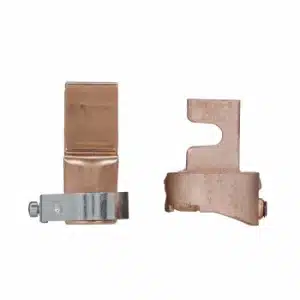
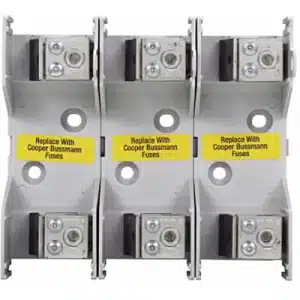
BUSS JM60100-3CR 600V 100A FUSBLK

BUSS JJS-3 600V CLASS T FUSE


Showing 49–96 of 405 resultsSorted by popularity
LiveWire Electrical Supply is your trusted source for hard-to-find electrical supplies, offering a wide selection of circuit breakers, fuses, safety switches, and industrial control products—all ready to ship the same day. With real-time stock and price checks, you can easily find what you need at competitive prices, whether for residential, commercial, or industrial projects. Our experts are available to assist with part identification and technical support, while our expedited shipping options and free UPS Ground shipping on qualifying orders ensure fast delivery. For 24/7 assistance and personalized support, call 1-650-692-0700.
To determine the size of a fuse you need, you should consider the electrical circuit’s current requirements and the device or equipment you’re protecting. The best way to find the right size of fuse for your job is to:
Identify the circuit’s maximum current (in amps) by checking the device’s specifications.
Choose a fuse with a current rating slightly higher than the circuit’s maximum current to avoid frequent trips. This is known as the fuse’s “amp rating.”
Ensure the fuse’s voltage rating matches or exceeds the circuit’s voltage.
If you’re uncertain, refer to the device’s documentation for guidance.
Fuses generally do not have a specific “life expectancy” in terms of years. Instead, they are designed to operate reliably until they are subjected to excessive current, which causes them to blow (i.e., open the circuit) and need replacement. The life expectancy of a fuse depends on factors like how frequently it’s subjected to overcurrent conditions and the quality of the fuse. High-quality fuses can withstand more cycles of overcurrent before failing.

To check if a fuse is worn out or blown, you can follow these steps:
Visually inspect the fuse: Look for a break in the wire inside the fuse. If the wire is intact, the fuse is likely not blown.
Use a multimeter: Set the multimeter to the continuity or resistance setting. Place the test probes on each end of the fuse. If the meter reads low resistance or beeps, the fuse is good; if it reads infinite resistance, the fuse is blown.
Replacement: If you suspect a fuse is blown, replace it with a new one of the same amp rating and voltage. Make sure to disconnect power from the circuit before replacing the fuse.
Remember that fuses are safety devices, and if you’re unsure about their condition or replacement, it’s always a good idea to consult a qualified electrician to ensure the safety of your electrical system.
Easy Returns
You may return items within 30 days of delivery for a refund. Please view our return policy here.
FREE Shipping on orders over $100
We offer one to five-day delivery in the United States. The variation depends on the chosen shipping speed and the warehouse location for the product(s). Please view our shipping policy here.
Same-Day Shipping
We strive to ship out your items within one business day. The shipping process may take up to 5 business days on some occasions. Feel free to contact us if your order is time sensitive. Call (650) 777-0060 or email [email protected] for help.
Warranty Gurantee
Disclaimer: